

As Nigerians joined Muslims around the world to celebrate Eid-el-Fitr on Friday, calls for unity, peace, and national cohesion resonated across the country. Leading these appeals was President Bola Ahmed Tinubu, who returned to Lagos from a two-day state visit to the United Kingdom and immediately participated in domestic engagements, including the Eid prayers at the Dodan Barracks Eid Ground.
President Tinubu, accompanied by the First Lady, Senator Oluremi Tinubu, arrived at the Presidential Wing of Murtala Mohammed International Airport around 1:15 a.m. on Friday. He was received by Lagos State’s Deputy Governor, Dr. Femi Hamzat; the President’s Chief of Staff, Femi Gbajabiamila; the wife of the Lagos State Governor, Dr. Claudiana Ibijoke Sanwo-Olu; and other leaders of the All Progressives Congress (APC).
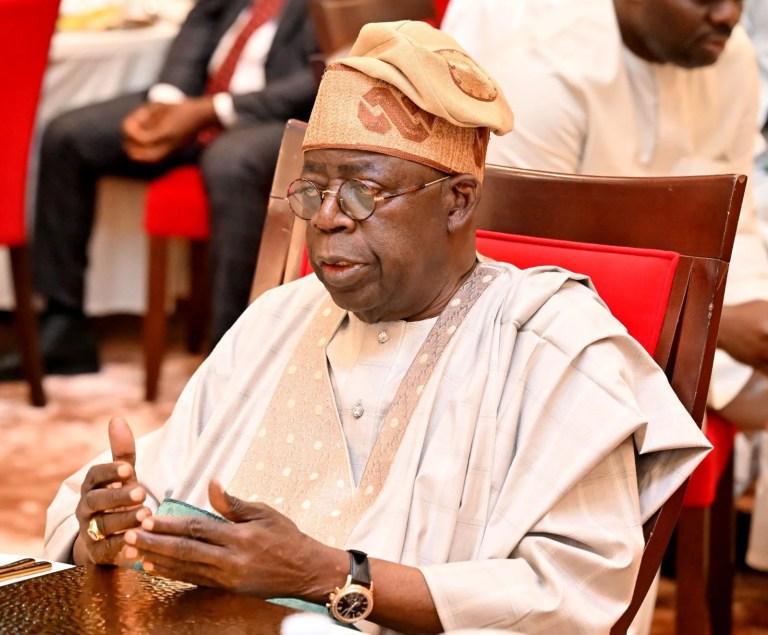
Following the prayers, President Tinubu addressed journalists, emphasizing that peace, unity, and collective responsibility are vital for national development. He urged Nigerians to carry the values of Ramadan—charity, compassion, and kindness—beyond the festival, stressing that the end of the fasting period should not mark the end of moral and spiritual growth.
“The stability and security of our nation are responsibilities shared by all. Every citizen has a role in maintaining peace. Reporting suspicious activities is part of our duty,” the President said. He highlighted that good behaviour, neighbourliness, and mutual support must continue to guide daily interactions, encouraging citizens to uphold moral and ethical standards in all aspects of life.
President Tinubu also underscored the shared spiritual foundation among Nigeria’s diverse religious communities. He reminded citizens that worshiping one God should inspire unity rather than division, and that nation-building relies on inclusivity, mutual respect, and recognition of the country’s diversity.
Reflecting on his UK visit, President Tinubu described it as “exciting and significant,” noting that the warm reception by King Charles III and Queen Camilla signaled Nigeria’s growing stature on the global stage. He also pointed out that the visit showcased Nigeria’s societal diversity and the importance of religious tolerance and mutual acceptance.
During the Eid sermon in Lagos, the Grand Chief Imam, Alhaji Sulaiman Oluwatoyin Abou-Nolla, encouraged Muslims to preserve the discipline, piety, and peaceful habits cultivated during Ramadan. He warned against actions that could heighten tensions, highlighting the need for wisdom and restraint amid global uncertainty. “We live in a world marked by instability and fear. Now is a time for calm, reflection, and peace,” he said.
Among those accompanying the President at the Lagos Eid ground were the National Security Adviser, Malam Nuhu Ribadu; Chief of Staff Gbajabiamila; former Lagos State Governor Babatunde Fashola; as well as family members and other associates.
In Borno State, Vice President Kashim Shettima led thousands of worshippers at Ramat Square in Maiduguri for the Eid prayers, affirming the federal government’s commitment to addressing insecurity and national challenges. The prayer ground was packed with citizens united in faith, demonstrating resilience and solidarity at the conclusion of Ramadan.
The Chief Imam of Borno State, Shettima Mamman Saleh, led the prayers, which were attended by Governor Babagana Zulum, Senators Ali Ndume and Kaka Shehu Lawan, and other prominent figures. After the prayers, Vice President Shettima expressed optimism about ongoing security operations, noting that sustained efforts by federal and state authorities would soon yield meaningful results. He emphasized that national unity is essential for development and highlighted the rare overlap of Ramadan and the Christian Lenten season as a chance for reflection, tolerance, and renewed commitment to nation-building.
Shettima praised Borno State’s residents and leaders for their perseverance and dedication to peace despite years of insurgency. In his sermon, the Chief Imam urged worshippers to continue embodying Ramadan’s lessons—discipline, sacrifice, devotion, and social responsibility—beyond the holy month. He encouraged compassion and piety as enduring virtues that can strengthen harmony and cohesion across Nigerian society.
The celebrations across Lagos, Maiduguri, and other parts of the country reflected a shared desire for peace, unity, and collective responsibility, demonstrating that the spiritual and moral lessons of Ramadan can provide a lasting foundation for national growth and social cohesion.