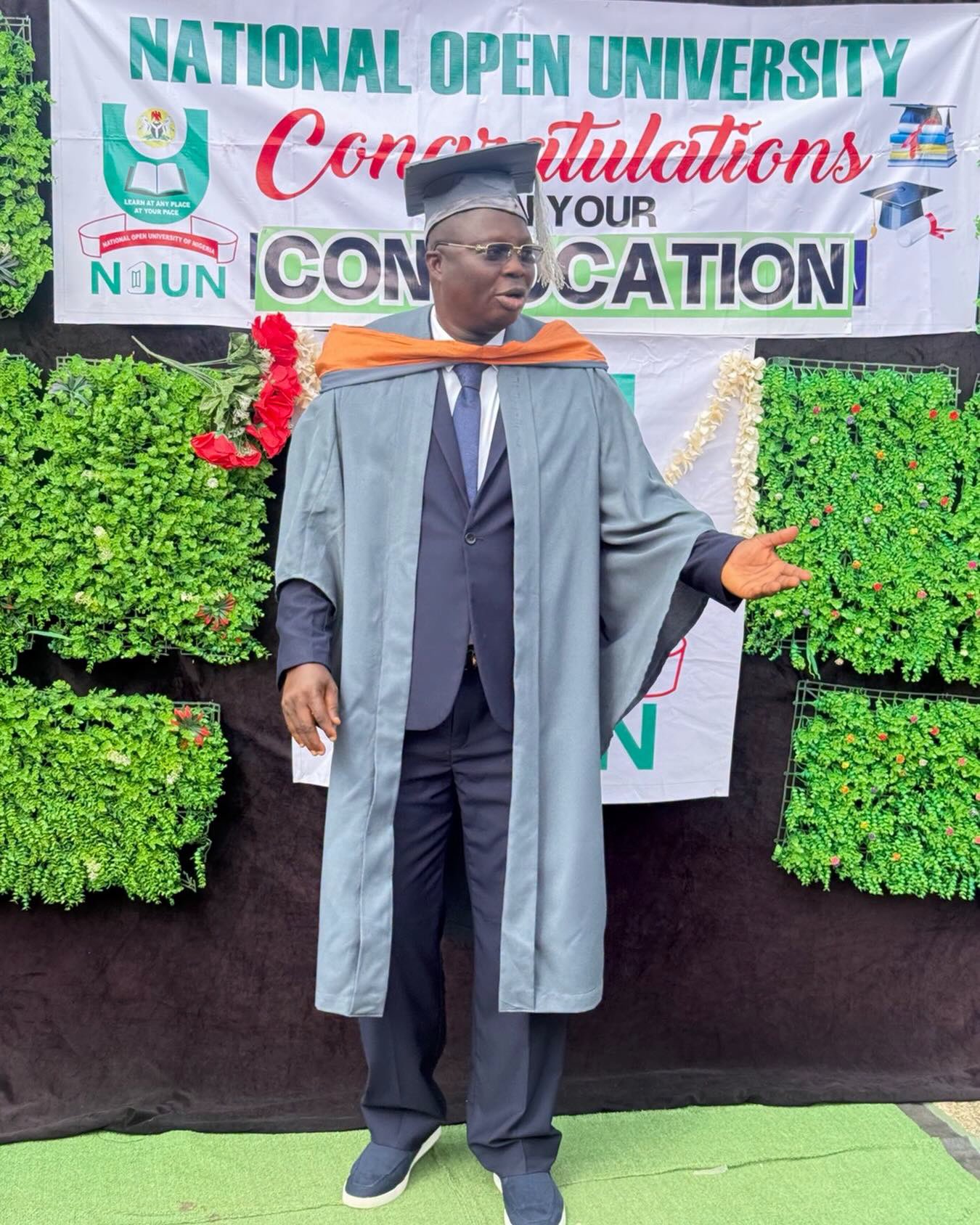


Senator Jimoh Ibrahim, representing Ondo South, has suggested that the ongoing conflict in the Middle East could present an economic advantage for Nigeria, particularly through increased oil revenues that may help stabilise the naira, reduce the need for borrowing, and strengthen the country’s overall macroeconomic health.
Speaking on Channels Television’s Politics Today on Friday, Ibrahim analysed how the crisis could influence Nigeria’s economy, with a special focus on energy and oil markets.
When asked about the potential effects on grains and energy, the senator highlighted the financial upside, noting that higher oil prices would boost the country’s dollar inflows. “You will have more money; that’s one thing. It will reduce borrowing. The price of the dollar may initially rise, but when you sell more oil at higher prices, you get more dollars,” he said.
He further explained that this surge in foreign currency would empower the Central Bank of Nigeria (CBN) to stabilise the exchange rate by intervening in the black market. According to Ibrahim, such measures could set off a positive ripple effect across the economy. “Once the central bank makes dollars more available and stabilises rates, you get improved macroeconomic outcomes. Price stability supports a sustainable economy built on actual cash inflows rather than borrowed funds,” he noted.
The senator also praised the administration of President Bola Tinubu for progress in debt management, highlighting an improved revenue-to-debt servicing ratio. “Currently, revenue-to-debt servicing stands at 68%. Before Tinubu took office, almost the entire revenue—96%—was consumed by debt obligations. Now, Nigerians can effectively save about 38 naira for every 100 naira earned,” Ibrahim said.
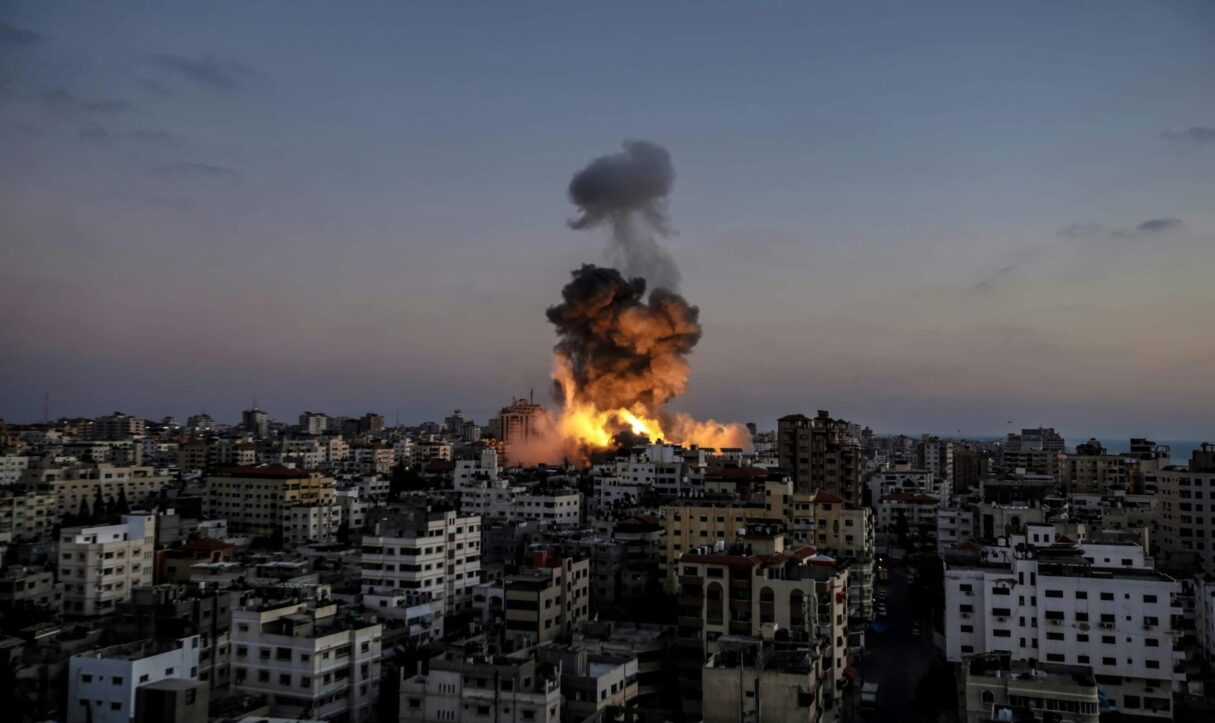
With crude oil prices nearly doubling amid the Middle East conflict, Ibrahim emphasised that Nigeria is well-positioned to capitalise on these gains. “Higher oil prices mean more dollars to stabilise the macroeconomic system, so I don’t foresee major challenges,” he added.
However, the senator acknowledged potential domestic repercussions, including rising fuel prices that could push up transportation costs and increase the cost of living. Despite these concerns, Ibrahim expressed confidence in the government’s ability to mitigate negative effects, noting that significant oil revenues provide the necessary cushion.
“Nigeria is part of the global economic system and cannot remain isolated. The government is putting policies in place to address potential impacts, and they have the resources to do so thanks to the substantial revenue from crude oil,” he concluded.