

In recent months, many Nigerians have found themselves complaining about unusually intense heat. From the crowded streets of Lagos to communities across the northern regions, people are experiencing hotter days, warmer nights, and a level of discomfort that feels far more severe than what they are used to. Fans seem less effective, power outages feel more frustrating, and daily activities have become more exhausting under the scorching sun.
While Nigeria is naturally a tropical country where warm weather is expected, recent conditions have gone beyond normal seasonal heat. Meteorological agencies, climate scientists, and environmental experts say the country is currently experiencing a heatwave influenced by a combination of climate change, atmospheric conditions, and seasonal climate patterns.
Understanding why Nigerians are experiencing this heatwave requires looking at both local weather conditions and broader global climate trends.
What Exactly Is a Heatwave?
A heatwave generally refers to a prolonged period of unusually high temperatures, often lasting several days or weeks. These temperatures are significantly higher than the average for a particular location and time of year.
In Nigeria, the dry season — particularly between February and April — is typically the hottest period. However, when temperatures rise above the normal seasonal range and remain consistently high with little nighttime cooling, it is considered a heatwave.
Recent temperature records indicate that many parts of Nigeria have been experiencing temperatures between 38°C and 42°C, especially in the northern states. Even in coastal cities like Lagos, temperatures have frequently reached 34°C to 36°C, but the humidity makes it feel even hotter.
Meteorologists describe this phenomenon as “feels-like temperature” or heat index, which combines temperature and humidity to measure how hot the body actually perceives the weather to be.
Rising Temperatures Across Nigeria
Data from the Nigerian Meteorological Agency (NiMet) shows that Nigeria’s average temperature has been gradually increasing over the last few decades.
According to climate reports, Nigeria’s temperature has risen by about 1.1°C since the beginning of the 20th century, a trend consistent with global warming patterns. While this number may appear small, scientists explain that even a slight increase in global average temperature can significantly alter weather patterns and increase the frequency of extreme heat events.
In its seasonal climate prediction reports, NiMet warned that 2024 and 2025 would likely experience above-normal temperatures in many parts of the country due to climate variability and global atmospheric conditions.
Northern states such as Sokoto, Kebbi, Kano, and Maiduguri typically experience the highest temperatures, but recent heatwaves have also been strongly felt in southern cities including Lagos, Ibadan, and Port Harcourt.
Climate Change Is a Major Driver
One of the biggest factors behind the current heatwave is climate change.
Human activities such as burning fossil fuels, deforestation, and industrial emissions release greenhouse gases like carbon dioxide into the atmosphere. These gases trap heat and prevent it from escaping into space, causing the Earth’s temperature to gradually rise.
According to the Intergovernmental Panel on Climate Change (IPCC), heatwaves are becoming more frequent, longer, and more intense in many parts of the world due to global warming.
West Africa, including Nigeria, is particularly vulnerable to these changes. Climate scientists say that tropical regions are experiencing faster warming in some cases because of changes in atmospheric circulation and land surface conditions.
As global temperatures rise, the likelihood of extreme heat events increases, making heatwaves more common than they were decades ago.

Influence of the Dry Season
Nigeria’s heatwave is also partly linked to the dry season climate pattern.During the dry season, especially between February and April, the sun is positioned almost directly above West Africa. This leads to stronger solar radiation, meaning the ground absorbs more heat during the day.
At the same time, cloud cover is usually minimal during this period, allowing more sunlight to reach the Earth’s surface.
Without clouds to reflect some of the sun’s energy, temperatures rise quickly during the day and often remain high well into the evening.
The absence of rainfall during this period also contributes to the intense heat, since rain typically cools the atmosphere.
The Role of the El Niño Climate Pattern
Another factor influencing current weather patterns is El Niño, a climate phenomenon that affects global temperatures.
El Niño occurs when ocean surface temperatures in the central and eastern Pacific Ocean become unusually warm. Although this happens far from Africa, it influences global atmospheric circulation patterns.
According to climate monitoring agencies, El Niño conditions tend to increase temperatures in many regions around the world, including parts of Africa.
In Nigeria, El Niño years are often associated with hotter and drier conditions, which can worsen heatwaves.
The recent El Niño cycle has contributed to warmer global temperatures, making extreme heat events more likely.
Urbanization and the “Heat Island” Effect
Cities in Nigeria are experiencing the heat even more intensely due to rapid urbanization.
Urban areas often become “heat islands,” where buildings, roads, and concrete surfaces absorb and retain heat more than natural landscapes like forests or grasslands.
Unlike soil and vegetation, concrete and asphalt store heat during the day and release it slowly at night. This means that cities remain hot even after sunset.
Lagos, Nigeria’s largest city, is a clear example. With its dense population, heavy traffic, and extensive construction, the city traps heat more effectively than surrounding rural areas.
Experts say that reduced green spaces, deforestation, and expanding infrastructure are making urban heat more severe.
Power Supply and Living ConditionsThe impact of the heatwave is being strongly felt because of energy and infrastructure challenges.
In many Nigerian homes, air conditioning is either unavailable or unreliable due to high electricity costs or power supply interruptions.
When temperatures remain high throughout the day and night, the absence of cooling systems can make the heat feel unbearable.
For people working outdoors — including traders, construction workers, and transport operators — the heat poses serious health risks.
Health Risks Associated With Extreme Heat
Prolonged exposure to high temperatures can affect the body in several ways.Medical experts warn that heatwaves can lead to:
- Heat exhaustion
- Dehydration
- Heat stroke
- Fatigue and dizziness
Children, elderly individuals, and people with existing health conditions are particularly vulnerable.
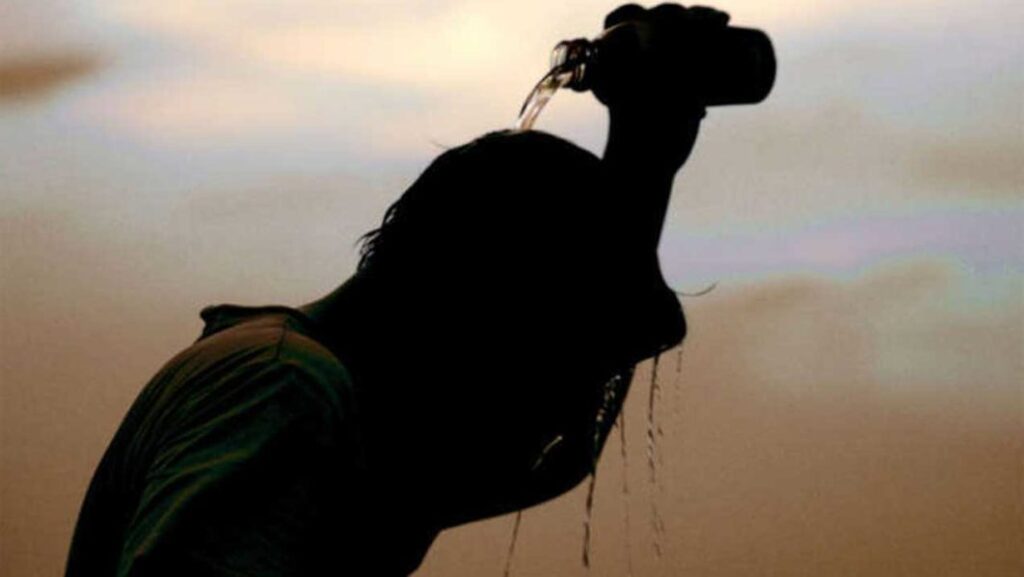
Health authorities recommend that people drink plenty of water, avoid prolonged exposure to direct sunlight, and wear light clothing during extremely hot periods.
What Experts Say About the Future
Climate scientists warn that heatwaves may become more frequent in Nigeria in the coming decades.
According to projections by the World Meteorological Organization (WMO) and other climate research bodies, Africa is expected to experience faster temperature increases than the global average if greenhouse gas emissions continue at current levels.
This means extreme heat events like the one currently affecting Nigeria could become more common.
To address the problem, experts emphasize the need for better climate planning, increased tree planting, improved urban design, and stronger environmental protection policies.
Coping With the Current Heatwave
While the broader causes of the heatwave are linked to global climate trends, there are practical steps individuals can take to cope with the current conditions.
Health experts advise Nigerians to:
- Drink more water throughout the day
- Reduce outdoor activities during peak afternoon heat
- Wear light and breathable clothing
- Improve ventilation in homes and workplaces
- Use shade and cooling methods where possible
Communities are also encouraged to plant trees and protect green spaces, which help lower temperatures naturally.
A Reminder of Changing Climate Conditions
The intense heat many Nigerians are experiencing is not just a temporary discomfort; it is also a reminder of the broader environmental changes happening around the world.
While seasonal heat is normal in tropical countries like Nigeria, the increasing intensity and frequency of heatwaves point to larger climatic shifts that scientists have been warning about for years.
As climate change continues to influence weather patterns, Nigeria — like many other countries — will likely need to adapt to hotter conditions and develop strategies to protect public health, infrastructure, and the environment.