

Since the earliest days of human civilization, people have set aside special moments to celebrate, reflect, and connect. Long before modern calendars existed, ancient societies marked time through festivals linked to harvests, religious observances, and natural cycles. From the flooding of the Nile in ancient Egypt to the candle-lit celebrations of Diwali and Hanukkah, holidays have always served as pauses in everyday life—moments that invite reflection, gratitude, and togetherness.
Today, holidays continue to play this important role, though their forms and meanings have evolved. Many have retained religious or spiritual roots, while others have grown into cultural or national observances that reflect shared values such as freedom, love, resilience, and hope. Despite these differences, one thing remains constant: holidays are deeply tied to human emotion and memory.
Perhaps more than any other time of the year, holidays—especially those in winter—encourage people to look backward as well as forward. A familiar song, a favorite meal, or a well-loved tradition can instantly transport someone to childhood, awakening memories so vivid they feel almost tangible. The scent of food cooking in the kitchen, the sound of laughter from another room, or the image of an older relative smiling quietly can resurface even decades later. These memories are powerful because they are rooted in shared experiences that once made us feel safe, connected, and loved.
At the heart of these memories are traditions. Holiday traditions go beyond routine actions performed once a year; they are rituals filled with symbolic meaning. They help people express cultural identity, reinforce spiritual beliefs, and maintain a sense of continuity in a constantly changing world. Through traditions, families pass down values, stories, and joy from one generation to the next. They also create a sense of belonging—reminding individuals that they are part of something larger than themselves.
Importantly, families do not all look the same. For some, family consists of relatives by blood; for others, it includes close friends or chosen loved ones. Some people even practice traditions on their own. Regardless of form, traditions help strengthen bonds and create emotional anchors that people return to year after year.
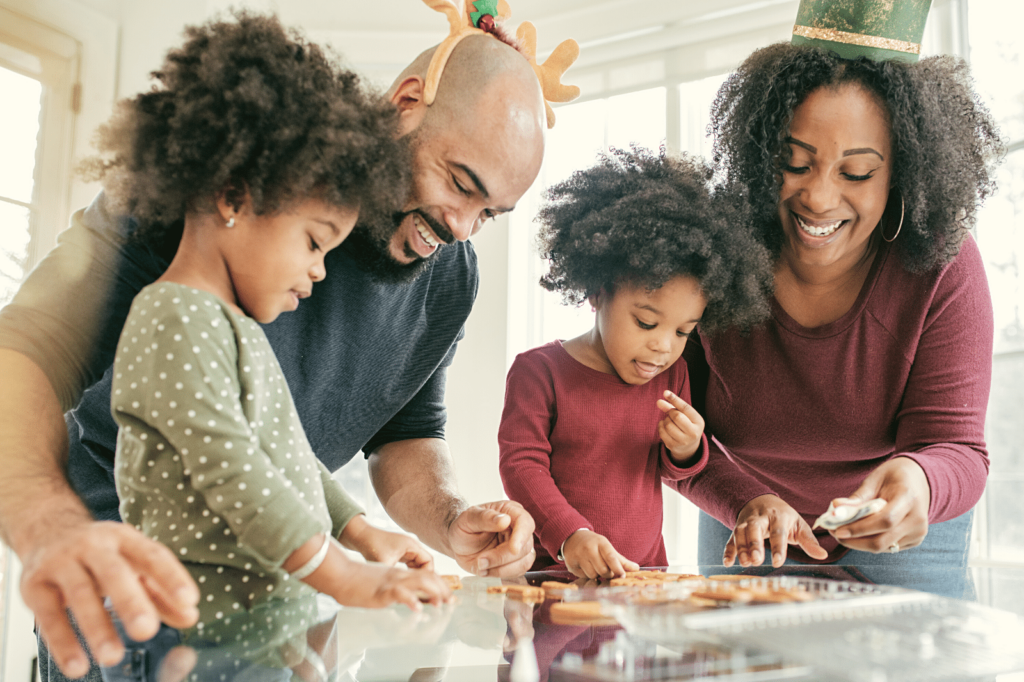
The most meaningful traditions are often simple. They do not require elaborate planning or great expense. Watching a favorite movie together, telling family stories at a set time, or playing a familiar game after a holiday meal can become deeply cherished rituals. In many cases, traditions are not planned at all. A spontaneous moment of joy may be repeated the following year, gradually becoming part of a family’s shared history.
Psychologists suggest that holidays and traditions fulfill essential emotional and social needs. They foster connection by bringing people together, whether through family gatherings, community celebrations, or shared rituals. They also provide meaning and identity, offering structure and reassurance in uncertain times. Holidays allow space for emotional expression—not only joy and nostalgia, but also grief—within supportive, shared environments. In a fast-paced world, they grant permission to pause, reflect, and realign priorities.
As life changes, traditions may need to change as well. Aging, distance, health challenges, or shifting family dynamics can make certain customs difficult to maintain. Adapting traditions—such as choosing more accessible locations or including loved ones through video calls—can ensure everyone feels included. When a tradition begins to cause stress or exclusion, replacing it or creating a new one may be the healthiest choice. Volunteering together, for example, can become a meaningful holiday practice that fosters empathy and community connection.
Including older family members in holiday traditions is especially important. For grandparents and great-grandparents, these rituals often carry profound emotional significance. Participating helps prevent feelings of isolation and allows them to both share memories and create new ones. Even when physical gatherings are not possible, a simple phone or video call can restore a sense of closeness and joy.
For those without close family nearby, holidays need not be lonely. Many people form their own holiday communities through friendships, local organizations, or volunteer work. Senior centers, community groups, and charitable organizations offer opportunities to connect with others who share similar values. Establishing these connections can be just as meaningful as traditional family celebrations.
Ultimately, holidays are more than dates on a calendar. They are moments that link past, present, and future—honoring where we’ve come from, celebrating where we are, and renewing hope for what lies ahead. Through traditions, whether old or newly created, people find comfort, meaning, and connection. These shared moments give life depth and warmth, reminding us that even in ordinary routines, there is room for joy, reflection, and togetherness.