


Chronic and rare health conditions do not distinguish between everyday people and global superstars. They interrupt routines, reshape ambitions, and demand strength—physically, mentally, and emotionally. When celebrities speak publicly about their diagnoses, they often help demystify these illnesses, break down stigma, and offer comfort to others navigating similar struggles.
1. Bruce Willis — From Aphasia to Frontotemporal Dementia
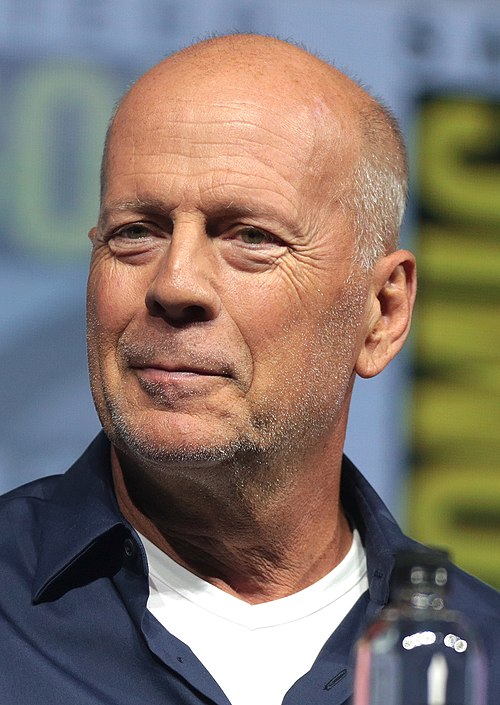
In 2022, Bruce Willis stepped away from his decades-long acting career after being diagnosed with aphasia, a disorder that disrupts a person’s ability to speak and understand language. Months later, his family clarified that aphasia was only one symptom of a broader condition: frontotemporal dementia (FTD). They explained that the communication difficulties were part of a progressive neurodegenerative disease that affects behavior, personality, and language. By choosing transparency, the Willis family helped the public better understand FTD—an illness many had never heard of—and encouraged empathy for people living with similar conditions.
2. Britney Spears — Conservatorship and Its Personal Toll
Britney Spears’ battle to end her long-running conservatorship shed light on the emotional strain and loss of autonomy that can come with such legal arrangements. Spears testified that while under her father’s control, she was denied the ability to make basic decisions about her work, medication, relationships, and even reproductive choices. She alleged being forced into treatment programs and being compelled to take medications against her will. After years of public debate and the rise of the #FreeBritney movement, a Los Angeles judge terminated the conservatorship in November 2021. Her story sparked widespread discussions about personal rights, mental health, and the oversight of conservatorships in the United States.
3. Cher — Epstein–Barr Virus and Debilitating Fatigue
Cher has been open about her struggle with Epstein–Barr virus (EBV), particularly during the late 1980s while filming Mermaids. Before she got a clear diagnosis, she spent months consulting different doctors, trying to understand the cause of the overwhelming fatigue that made day-to-day life difficult. Production schedules had to be paused to allow her time to recover. Despite this challenge, Cher’s career remained extraordinary—marked by Grammy wins, an Oscar for Moonstruck, and ongoing cultural influence. Her willingness to discuss EBV has helped highlight how post-viral fatigue can affect even the most successful and driven individuals.
4. Michael J. Fox — Parkinson’s Disease and Relentless Advocacy
Michael J. Fox learned he had Parkinson’s disease in 1991 when he was just 29. He revealed the diagnosis publicly seven years later and, by 2000, launched The Michael J. Fox Foundation, which has since become the leading nonprofit supporter of Parkinson’s research worldwide. Although he reduced his acting commitments in 2020, Fox continues to take on meaningful creative projects, writes candidly about his life, and advocates for more research funding. His blend of honesty, humor, and determination has transformed public understanding of Parkinson’s and offered hope to millions around the world.
5. Morgan Freeman — Chronic Pain After a Major Car Accident
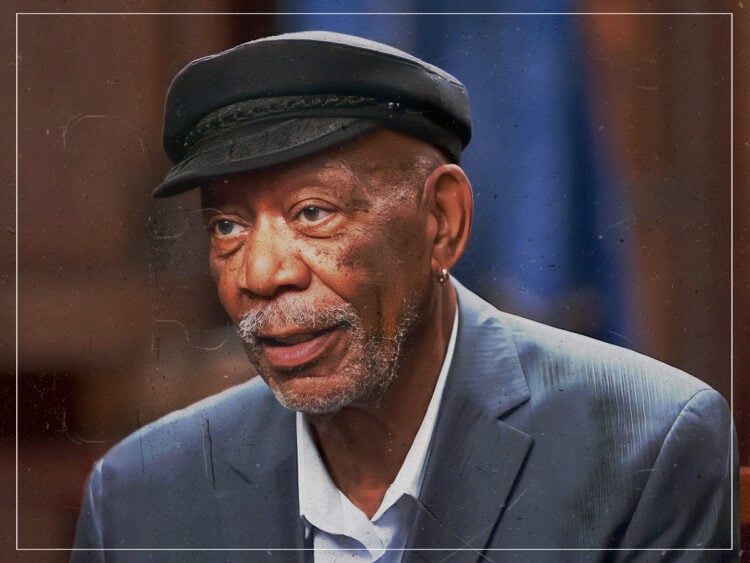
After a serious car crash in 2008, Morgan Freeman developed chronic pain and limited mobility in his left arm. He later shared that the discomfort can be intense enough to alter his daily activities, forcing him to give up hobbies such as piloting and sailing. The condition is often associated with fibromyalgia—a chronic pain syndrome characterized by widespread pain, fatigue, sleep disturbances, and issues with memory and mood. Despite these challenges, Freeman continues to work, play golf, and enjoy the outdoors, showing how people adapt and find ways to continue doing what they love.
6. Céline Dion — Living With Stiff-Person Syndrome (SPS)
Céline Dion has publicly revealed her diagnosis of Stiff-Person Syndrome, a rare neurological disorder that causes severe muscle stiffness and unpredictable spasms. These symptoms can make simple movements painful and can affect speech and singing. Dion explained that she experienced warning signs for years and at one time took extremely high doses of Valium to keep performing—something she later learned posed serious risks. Her 2024 documentary I Am: Céline Dion offers a raw, intimate look at her treatment, physical therapy, and ongoing battle to regain vocal strength. While SPS has long been considered extremely rare—often cited at 1 to 2 cases per million—new research suggests it may be more common than previously believed.