

Nigeria’s creative economy has entered a new phase. While 2025 delivered chart-toppers, box-office milestones and viral pop culture moments, it also quietly laid the foundation for the next generation of cultural leaders. Beyond the familiar superstars dominating global headlines, a fresh crop of musicians, actors, filmmakers and digital creatives are steadily shaping the future of Nigerian entertainment.
These are not legacy names or established powerhouses. They are emerging voices—artists and storytellers whose growth in 2025 signals even greater impact ahead. As 2026 approaches, these creatives represent the industry’s most exciting possibilities.
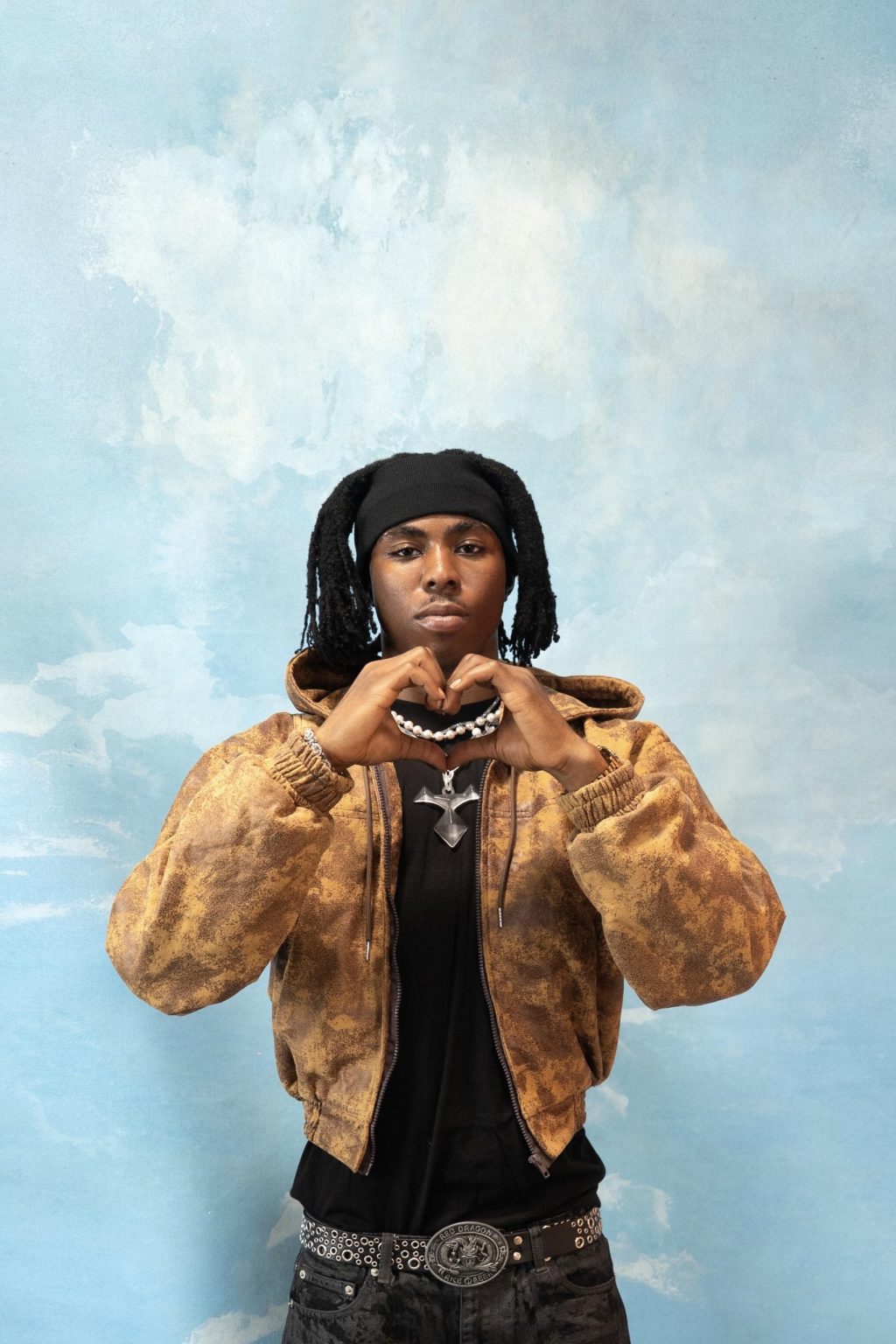
Fola
Fola’s journey through 2025 reflected the power of patience and authenticity in an industry often driven by speed. Starting the year as a niche favourite within alternative Afrobeats circles, he gradually found wider recognition through emotionally layered music that prioritised feeling over formula.
His songs consistently appeared on curated discovery playlists, introducing his introspective sound to listeners searching for depth rather than dance-floor immediacy. By mid-year, multiple tracks had surpassed the one-million-stream mark across digital platforms—an impressive feat for an independent artiste operating outside mainstream machinery.
Live performances played a crucial role in his growth. From campus shows to industry showcases, Fola cultivated a loyal audience drawn to his stripped-back melodies and reflective lyricism. Critics began to identify him as part of a new wave redefining Afrobeats’ emotional range. If 2025 was about visibility, 2026 is poised to be the year Fola fully claims his space.
Ayo Maff
Ayo Maff’s breakout story is rooted in organic connection. His music thrived in street listening circles, gaining traction through shared playlists, dance videos and social media clips that felt unforced and authentic. Platforms like TikTok and Instagram Reels amplified his reach, turning his sound into a cultural presence rather than just a digital statistic.
Radio stations across Lagos and the South-West picked up on the buzz, translating online popularity into consistent airplay. By the end of 2025, Ayo Maff was no longer just a street-pop sensation but an artiste edging closer to mainstream recognition. With his sound firmly resonating at grassroots level, 2026 could mark his full crossover moment.
Gaise Baba
Gaise Baba’s evolution reached a turning point in 2025. Known for seamlessly blending gospel themes with contemporary Afrobeats, he achieved something rare: broad acceptance beyond traditional faith-based audiences.
His breakout record, No Turning Back, transcended genre boundaries, becoming one of the most-watched Nigerian music videos on YouTube during the year. The song’s widespread embrace challenged long-held assumptions about the commercial limits of gospel-influenced music.
Rather than leaning solely on religious appeal, Gaise Baba’s success was driven by production quality, modern storytelling and emotional resonance. As attention turns to what comes next, 2026 will test his ability to sustain this expanded audience and push his sound even further.
Shoday
Shoday’s year began in the whirlwind of internet virality. His music sparked dance challenges, memes and short-form content that spread rapidly across social platforms. But unlike many viral acts, he didn’t fade once the trend cooled.
Streaming numbers remained strong, and his growing performance résumé suggested intentional career building rather than fleeting fame. By the end of 2025, Shoday had begun shedding the “internet-only” label, earning recognition as a developing pop act with potential longevity. The coming year presents a defining opportunity: evolve from viral favourite into a fully formed artiste.
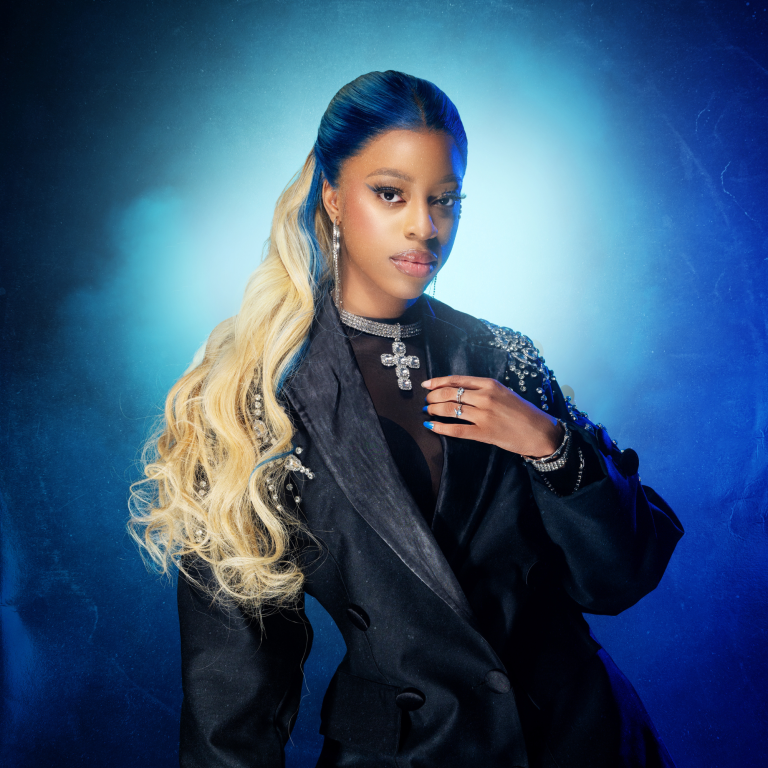
Qing Madi
Qing Madi’s rise in 2025 was fuelled by vulnerability and vocal distinction. Her music connected deeply with listeners, especially young audiences drawn to sincerity and emotional clarity. Streaming platforms reflected this connection, with her songs gaining steady traction both locally and internationally.
One of her most significant achievements was expanding beyond Nigeria’s borders. Playlist placements abroad and early international collaborations signalled growing export potential. Rather than chasing trends, Qing Madi leaned into storytelling, allowing her music to resonate naturally across cultures. If momentum holds, 2026 could mark her transition from promising newcomer to global breakout act.
Bimbo Ademoye
Bimbo Ademoye’s steady climb reached new heights in 2025. Her appeal lies in her ability to balance humour and emotional depth, making her relatable across genres. Throughout the year, she featured in projects that strengthened her presence both on traditional screens and digital platforms.
Her performances resonated particularly with younger audiences, who connected with her portrayals of love, vulnerability and self-discovery. Ademoye’s growing YouTube film catalogue further extended her reach, positioning her as one of Nollywood’s most recognisable contemporary faces. As 2026 approaches, expectations are high for even more layered roles.
Uzor Arukwe
Uzor Arukwe’s career trajectory shifted dramatically in 2025. While he had spent years building credibility through supporting roles, his performance in Love in Every Word transformed him into a cultural conversation.
His portrayal sparked debate, admiration and viral engagement, proving the power of character-driven storytelling in the social media era. Audiences embraced his screen presence, even as critics called for broader representation beyond romantic archetypes. Heading into 2026, Arukwe stands at a pivotal point—poised to redefine his range and deepen his impact.
Bamike “BamBam” Olawunmi-Adenibuyan
BamBam’s performance in Love in Every Word marked a defining moment in her acting career. Drawing from her training in stage and screen performance, she delivered a portrayal that resonated deeply with viewers, particularly women.
Her emotional intelligence, subtle body language and vocal control distinguished her performance, reigniting interest in her earlier work. While audiences embraced her romantic lead role, anticipation now surrounds her next steps. 2026 presents an opportunity to explore more complex, unconventional characters.
Daniel Etim-Effiong
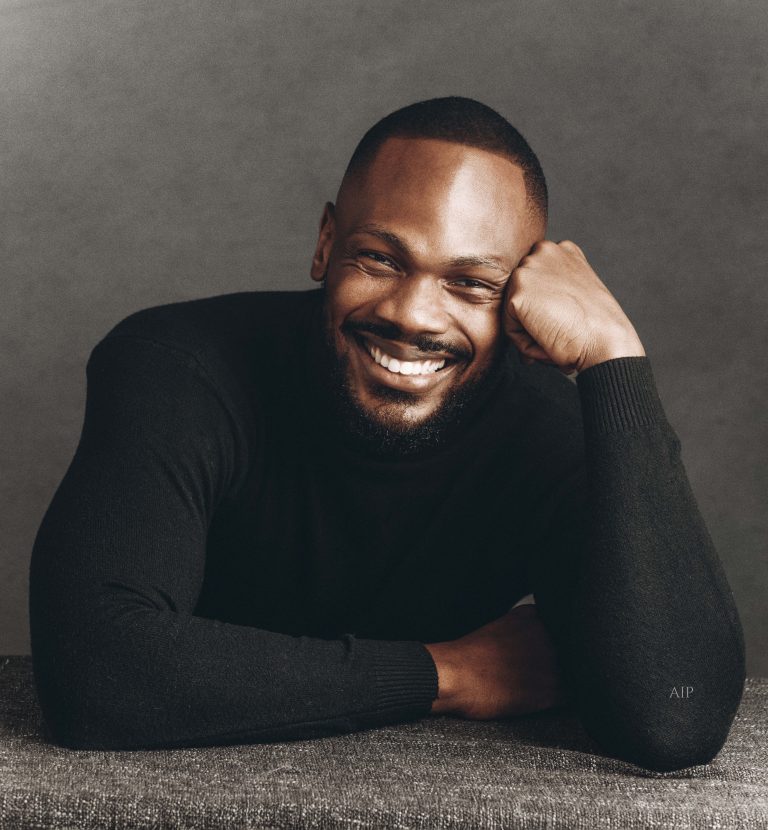
Daniel Etim-Effiong’s significance in 2025 lay in his refusal to be boxed into a single identity. Beyond acting, he stepped confidently into directing, delivering The Herd, a socially charged thriller that climbed rapidly to the top of Nigeria’s streaming charts.
At the same time, his on-screen romantic performances sparked online debate, highlighting broader conversations around professionalism and representation in Nollywood. This tension—between cultural commentary and mainstream appeal—defines his creative appeal. In 2026, his willingness to tackle challenging narratives could further reshape his legacy.
Uche Montana
Uche Montana’s 2025 was a breakout year defined by volume, variety and recognition. Her performances across cinema releases and digital films showcased a range that few emerging actresses achieve so quickly.
Her first Africa Magic Viewers’ Choice Awards nomination signalled growing industry respect, while her strong online presence expanded her audience base. With momentum firmly on her side, 2026 could see Montana transition from rising talent to established leading lady.
Bucci Franklin
Bucci Franklin’s performance in Netflix’s To Kill a Monkey became a defining cultural moment in 2025. His portrayal blurred moral lines, presenting a villain who felt disturbingly human.
The series’ global success elevated Franklin’s profile, positioning him as a Nigerian actor capable of commanding international attention. As streaming platforms continue to shape storytelling, Franklin’s trajectory suggests even bigger opportunities ahead.
Priscilla Ojo-Mkambala
Priscilla Ojo-Mkambala’s 2025 demonstrated the power of multi-platform relevance. Balancing acting, fashion and entrepreneurship, she translated social media influence into tangible brand value.
Major partnerships, award recognition and cross-border visibility reinforced her growing stature. With a strong personal brand and expanding business interests, she enters 2026 as one of Nigeria’s most influential young creatives.
Hilda Baci
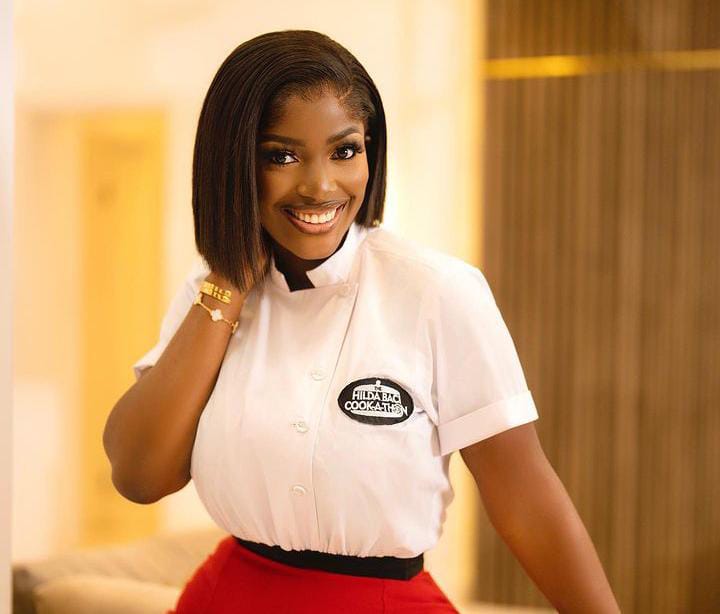
Hilda Baci’s continued global recognition in 2025 reaffirmed her role as a cultural ambassador. Her Guinness World Record achievements go beyond spectacle, spotlighting Nigerian cuisine on an international stage.
Her influence lies in inspiration—encouraging young creatives to reimagine food as storytelling, heritage and diplomacy. 2026 promises even broader cultural impact.
Tacha
Tacha’s evolution from reality TV fame to structured brand building reached a new level in 2025. Her Guinness World Records achievements during the Tacha Beauty Festival combined spectacle with mentorship and empowerment.
By anchoring her success in purpose-driven initiatives, she reframed her public image and expanded her influence across beauty and media. As she steps into 2026, her brand continues to mature beyond controversy into legacy.
The future of Nigeria’s creative industry will not be defined solely by its biggest stars. It will be shaped by artists, actors and innovators who are building deliberately, experimenting boldly and connecting authentically. As 2026 unfolds, these rising creatives stand ready to redefine influence, success and cultural relevance in Nigeria and beyond.