


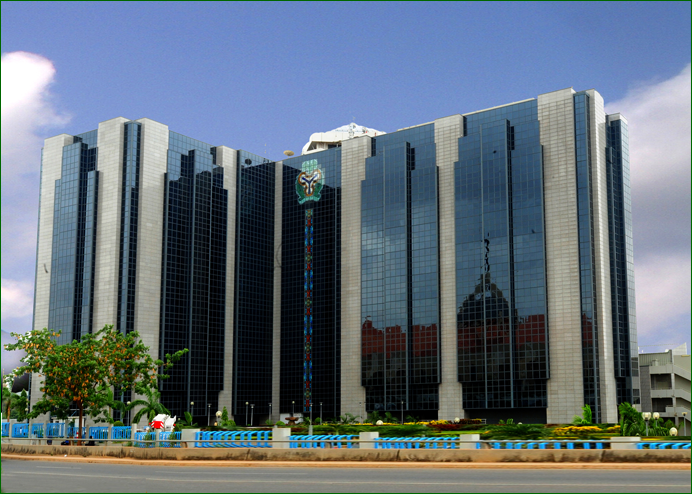
By March 31, Nigeria’s banking sector is expected to reach a significant milestone as the ongoing recapitalisation exercise initiated by the Central Bank of Nigeria (CBN) comes to an end. The programme, widely regarded as one of the most ambitious reforms undertaken by the apex bank in recent years, is aimed at strengthening the financial system and preparing Nigerian banks to support the country’s long-term economic ambitions. Under the leadership of Olayemi Cardoso, the initiative is designed to produce stronger and more sophisticated financial institutions capable of supporting the Federal Government’s vision of building a $1 trillion economy.
So far, the recapitalisation effort has made considerable progress. About 20 banks have already secured approximately N4.05 trillion in fresh capital as part of the exercise, indicating strong participation from the banking industry. By the time the programme concludes, analysts expect the total funds raised to exceed N5 trillion. While the immediate goal is to strengthen banks’ capital bases, the long-term objective is to position Nigeria’s financial sector to support large-scale investments and economic expansion for decades to come.
One of the most important outcomes of the recapitalisation process is the emergence of larger and financially stronger banks capable of handling high-value transactions. With stronger balance sheets, these institutions will be better equipped to provide financing for infrastructure development, industrial expansion, and other strategic sectors of the economy. This improved financial capacity is expected to play a crucial role in stimulating economic activity and enabling businesses to access the funding they need to grow.
The CBN leadership believes that sustainable economic growth cannot be achieved without a robust financial system that effectively supports productive sectors. As a result, the central bank has focused on aligning monetary policy with broader fiscal objectives to ensure that Nigeria’s financial system contributes meaningfully to national development goals. Strengthening the resilience of banks, improving regulatory oversight, and reinforcing risk management practices have therefore become central components of the reform agenda.
Beyond increasing capital levels, the recapitalisation programme also involves a detailed verification process to ensure the integrity of funds raised by banks. Financial institutions are required to submit their newly raised equity for capital verification before approval is granted for the final allotment of shares and the release of funds. This process is supervised by a tripartite committee comprising the Central Bank of Nigeria, the Securities and Exchange Commission, and the Nigeria Deposit Insurance Corporation. The committee is responsible for scrutinising the sources and authenticity of funds raised under the programme, ensuring that the recapitalisation effort maintains high standards of transparency and accountability.
Providing an update on the initiative, Cardoso disclosed that many banks had already met the new capital requirements ahead of the March 31 deadline, while others were in the process of completing their fundraising efforts. According to him, Nigeria’s banking system remains fundamentally strong and resilient, which is essential for maintaining financial stability in a rapidly evolving global environment.
Despite this positive outlook, the apex bank continues to monitor potential risks that could threaten the stability of the financial system. These risks include cyber threats, credit concentration pressures, and operational vulnerabilities that may arise as financial services become increasingly digital. To address these concerns, the CBN has intensified risk-based supervision and is implementing new regulatory frameworks designed to strengthen banks’ resilience.
One of the major reforms currently being introduced is the transition to the Basel III standards. This framework aims to improve the quality of bank capital, enhance liquidity management, and strengthen financial institutions’ ability to withstand economic shocks. By adopting these global standards, Nigeria hopes to position its banking sector among the most stable and credible in emerging markets.
Cardoso noted that stress tests conducted by regulators indicate that Nigerian banks remain financially sound. Key indicators of financial health have continued to meet regulatory benchmarks, reinforcing confidence in the sector’s ability to withstand potential economic pressures. These assessments are critical because they provide regulators with insights into how banks might respond to different economic scenarios.
In addition to recapitalisation, the central bank has also introduced reforms aimed at improving operational efficiency within the financial system. One such reform involved conducting a comprehensive review of the entire cash management cycle in Nigeria, from production to distribution and eventual access by consumers. This assessment allowed regulators to identify structural challenges affecting cash availability and address them through targeted policy measures.
Following the review, the CBN implemented several measures to improve cash circulation and access. These include recalibrating the country’s cash printing models, issuing guidelines on the optimal ratio of automated teller machines to bank cards, and strengthening approval requirements before banks can close ATMs or physical branches. Financial institutions whose ATMs fail to dispense cash consistently now face regulatory sanctions, while supervision of payment agents and point-of-sale operators across the country has also been intensified.
Another important focus area for regulators is ethics and professionalism within the banking industry. According to Cardoso, bankers and treasury professionals operate under increasing scrutiny as regulators seek to ensure transparency and accountability in financial markets. To strengthen market integrity, the CBN has introduced the FX Global Code for authorised dealers and market participants.
The code establishes global principles of good practice in foreign exchange trading, including transparency, fair dealing, and responsible risk management. By adopting these standards, Nigerian financial institutions are expected to maintain a high level of professionalism and ensure that market activities remain transparent and compliant with regulatory requirements.
Cardoso has also encouraged the Chartered Institute of Bankers of Nigeria to play a more active role in promoting ethical conduct across the industry. According to him, maintaining strong governance structures and enforcing professional standards are critical for preserving confidence in Nigeria’s financial system. Regulators have therefore intensified surveillance of financial markets to identify and eliminate individuals or institutions that attempt to manipulate the system.
International development institutions have also highlighted the potential benefits of the recapitalisation programme. Matthew Verghis emphasised that strengthening Nigeria’s banking system could serve as a powerful catalyst for economic transformation. With stronger balance sheets, banks will be better positioned to finance small and medium-sized enterprises, expand productive capacity, and support large infrastructure projects that drive national development.
According to Verghis, recapitalisation should not be viewed solely as a regulatory exercise but as a strategic opportunity to deepen financial intermediation and improve the economy’s overall resilience. Stronger banks, he argued, can channel more credit to businesses and households, thereby promoting inclusive economic growth and enhancing Nigeria’s competitiveness on the global stage.
Financial analysts have also expressed confidence in the progress of the programme. Ayokunle Olubunmi noted that many banks classified as being in advanced stages of compliance had already secured the required funds. In many cases, the capital has already been deposited with the CBN and is currently undergoing verification. This means that several banks have effectively completed the fundraising phase and are simply awaiting regulatory clearance to finalise the process.
Industry leaders have similarly welcomed the recapitalisation initiative. Oliver Alawuba described the policy as both timely and necessary for strengthening Nigeria’s financial sector. According to him, the initiative will enhance banks’ ability to withstand economic shocks such as inflationary pressures, exchange rate volatility, and global geopolitical disruptions.
Alawuba explained that stronger capital buffers will enable banks to finance major projects that contribute to Nigeria’s long-term economic transformation. These projects include large infrastructure developments, industrial expansion, and investments in emerging sectors such as fintech and renewable energy. By increasing their financial capacity, Nigerian banks will also be better equipped to support traditional sectors such as oil and gas, agriculture, and manufacturing.
The recapitalisation programme also reflects broader economic reforms being implemented by the government and monetary authorities. Economic policy experts argue that these reforms are gradually reshaping Nigeria’s economic landscape and creating a more stable environment for growth. According to Abiodun Adedipe, several policy changes introduced in recent years are beginning to yield positive outcomes.
These reforms include changes in the foreign exchange market aimed at eliminating arbitrage opportunities, the removal of petrol subsidies to reduce fiscal pressure on government finances, and ongoing efforts to strengthen revenue collection systems. Together, these measures are intended to create a more efficient and transparent economic environment.
Adedipe also highlighted Nigeria’s demographic and technological advantages as important drivers of future growth. The country has a large and youthful population estimated at over 237 million people, making it one of the largest consumer markets in the world. Rapid urbanisation and rising internet penetration are also expanding opportunities for digital finance, e-commerce, and technology-driven innovation.
However, policymakers acknowledge that monetary reforms alone cannot deliver sustainable economic stability. The CBN has therefore emphasised the importance of coordinating monetary and fiscal policies to achieve long-term macroeconomic stability. Such coordination has already produced tangible results, including improved liquidity conditions, reduced borrowing costs, and more predictable fiscal operations.
A key aspect of this coordination is the decision to discontinue direct deficit financing by the central bank. In the past, the CBN occasionally financed government deficits through temporary lending arrangements. Under the new policy direction, the bank has pledged not to return to that practice, signalling a commitment to fiscal discipline and responsible economic management.
At the same time, fiscal authorities have introduced new institutional reforms designed to strengthen public financial management. These reforms include the implementation of revenue optimisation strategies, the creation of a new national revenue agency, and improvements to the Treasury Single Account system used for government transactions. Together, these initiatives aim to improve revenue collection, reduce leakages, and enhance accountability across public institutions.As Nigeria continues its transition toward a more structured inflation-targeting framework, the collaboration between fiscal and monetary authorities is expected to deepen further. This partnership will help ensure that economic policies remain consistent and mutually reinforcing, ultimately contributing to greater price stability and sustainable growth.
As the March 31 deadline approaches, the banking recapitalisation programme represents a pivotal moment in Nigeria’s financial reform journey. If successfully completed, it will leave the country with stronger, more resilient banks capable of financing large-scale development projects and supporting businesses across key sectors of the economy. For regulators, industry leaders, and policymakers alike, the exercise is not merely about increasing capital levels but about building a financial system capable of powering Nigeria’s economic ambitions for years to come.