


Iran’s strategy in the ongoing conflict has taken a notable turn, with fresh demands that go beyond its traditional negotiating points. Among them is a new and controversial request: international recognition of its sovereignty over the Strait of Hormuz—a narrow but crucial maritime passage that carries a significant share of the world’s oil and liquefied natural gas.
For decades, Iran had threatened to shut down the strait in response to military pressure, but such warnings were often dismissed as unlikely to materialize. That perception has now shifted. Recent disruptions to shipping in the waterway have demonstrated just how effective such a move can be, shaking global trade and energy markets. Encouraged by the scale of the impact, Tehran now appears to be considering how to transform that influence into a long-term economic and geopolitical advantage.
The Strait of Hormuz is one of the most strategically vital trade routes in the world, with roughly a fifth of global oil and gas supplies passing through it under normal conditions. However, ongoing attacks and heightened tensions have slowed maritime traffic to a crawl, creating ripple effects far beyond the Middle East. Countries dependent on energy imports have been forced to activate emergency measures to secure fuel supplies, underscoring the strait’s global importance.
Analysts suggest that Iran itself may have been surprised by how effective its approach has been. What was once seen as a last-resort tactic has proven to be a relatively low-cost yet powerful tool capable of exerting pressure on the global economy. This realization appears to have influenced Tehran’s evolving demands, including the idea of monetizing access to the waterway.
The United States and its allies have expressed deep concern over this possibility. Marco Rubio recently warned that one of the immediate challenges after the conflict would be preventing Iran from introducing a toll system for ships passing through the strait. He described such a move as dangerous and unacceptable, emphasizing the need for a coordinated international response. Similarly, foreign ministers from the G7 have stressed the importance of maintaining free and unrestricted navigation through the passage.
Iranian leadership, however, appears determined to capitalize on the leverage it has gained. Mojtaba Khamenei, in what was described as his first major address in a new leadership role, suggested that the strategic advantage offered by control over the strait should continue to be used. This marks a shift from earlier negotiations, where Iran focused primarily on sanctions relief and recognition of its nuclear program rather than territorial or maritime claims.
Recent signals from Tehran indicate that it may attempt to formalize its influence over the waterway. Lawmakers are reportedly reviewing proposals that would require vessels transporting oil and goods through the strait to pay transit fees. Additionally, advisers close to the leadership have floated the idea of creating a “new regime” governing access to the route. Such a system could allow Iran to impose restrictions on certain countries while granting passage to others, effectively linking global trade flows to its broader geopolitical interests.
Legal experts, however, argue that such measures would violate established international norms. The United Nations framework governing maritime navigation—particularly the widely recognized principles of the Law of the Sea—guarantees the right of transit passage through international straits. This means ships are entitled to move through such waterways without interference or additional charges. Although Iran is not formally bound by all aspects of these agreements, many of the rules are considered customary international law, making them broadly applicable.
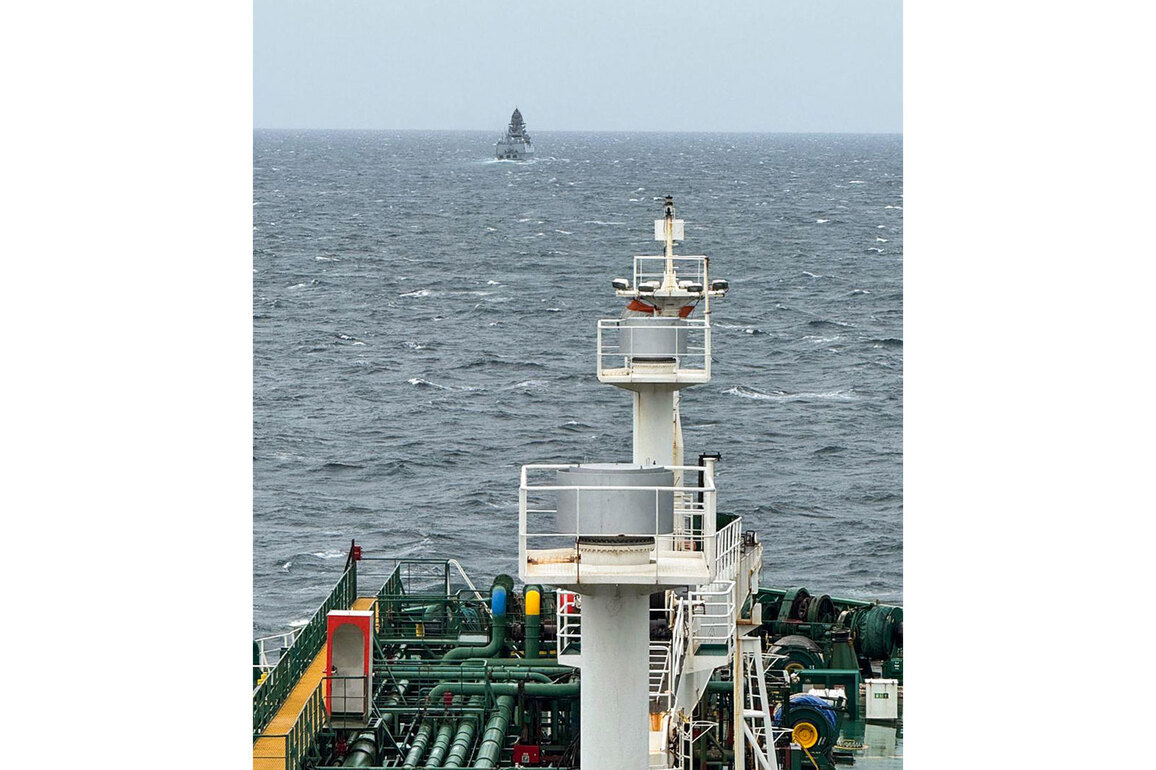
There is little historical precedent for successfully imposing tolls on international straits. One often-cited example dates back to the 19th century, when Denmark charged fees for passage through its waterways. However, international opposition eventually forced Copenhagen to abolish those charges permanently. This historical lesson raises questions about whether Iran could sustain a similar system in the face of global resistance.
Despite these challenges, the potential financial rewards are significant. Under normal conditions, millions of barrels of oil pass through the strait each day. If Iran were to charge substantial fees per tanker, monthly revenues could reach hundreds of millions of dollars. When combined with income from liquefied natural gas shipments, the total could approach levels comparable to those generated by the Suez Canal—one of the world’s most profitable shipping routes.
Such an approach could help Iran address its ongoing economic difficulties, particularly as it remains heavily affected by international sanctions. By charging for passage, Tehran could create a new revenue stream that compensates for limited access to global markets. Analysts note that this method would be relatively simple to implement compared to other economic strategies, making it an attractive option for a country under financial strain.
Iran has maintained that the strait remains open, but with conditions. Officials have indicated that ships deemed non-hostile may pass through, provided they coordinate with Iranian authorities. This stance suggests a shift toward controlled access rather than outright closure, allowing Tehran to maintain influence without completely halting trade.
There are also signs that elements of this system may already be emerging. Some shipping routes have reportedly shifted closer to Iran’s coastline, and there are indications that certain vessels may have paid for safe passage. While no governments or companies have publicly confirmed such arrangements, industry reports suggest that a small number of ships have already used designated corridors, with at least a few allegedly paying significant fees.
In addition, Iran’s military forces have reportedly introduced procedures requiring ships to register before transiting the strait. Some governments are said to be engaging directly with Tehran to ensure the safe movement of their vessels, highlighting the growing complexity of the situation.
For now, the global shipping industry remains in a state of uncertainty. Trade flows have been disrupted, energy markets are volatile, and diplomatic efforts are ongoing. Whether Iran can successfully turn its strategic position into a lasting system of control and revenue remains unclear. What is certain, however, is that the Strait of Hormuz has become more than just a geographic chokepoint—it is now a central lever in a broader contest over economic power and geopolitical influence.