

Cervical cancer develops in the cells of the cervix, the lower part of the uterus that connects the womb to the vagina. This part of the female reproductive system plays an important role during childbirth, allowing a baby to pass from the uterus into the vagina. Cervical cancer occurs when cells in this area begin to grow abnormally and uncontrollably. Instead of following the normal life cycle in which old cells die and new ones replace them, damaged cells continue multiplying and may eventually form a mass known as a tumor. If not treated, these abnormal cells can invade nearby tissues and spread to other parts of the body.
One of the most important factors linked to the development of cervical cancer is infection with the human papillomavirus (HPV). HPV is a common virus that spreads primarily through sexual contact, including vaginal, oral, or anal intercourse. Many people will contract HPV at some point in their lives without even realizing it. In most cases, the body’s immune system successfully clears the infection before it causes harm. However, in some individuals the virus remains in the body for years. Persistent infection with certain high-risk strains of HPV can cause changes in cervical cells that may gradually develop into cancer. Scientists have identified more than one hundred types of HPV, but only a small group of them are strongly associated with cervical cancer.
The development of cervical cancer usually takes place slowly over time. Before cancer forms, the cells in the cervix often pass through stages known as precancerous changes. During this period, the cells begin to look abnormal under a microscope, but they have not yet become cancerous. These early changes may disappear on their own, remain the same, or progress to cancer if they are not detected and treated. Because this transformation can take several years, regular screening tests play a critical role in detecting abnormal cells early and preventing the disease from developing further.
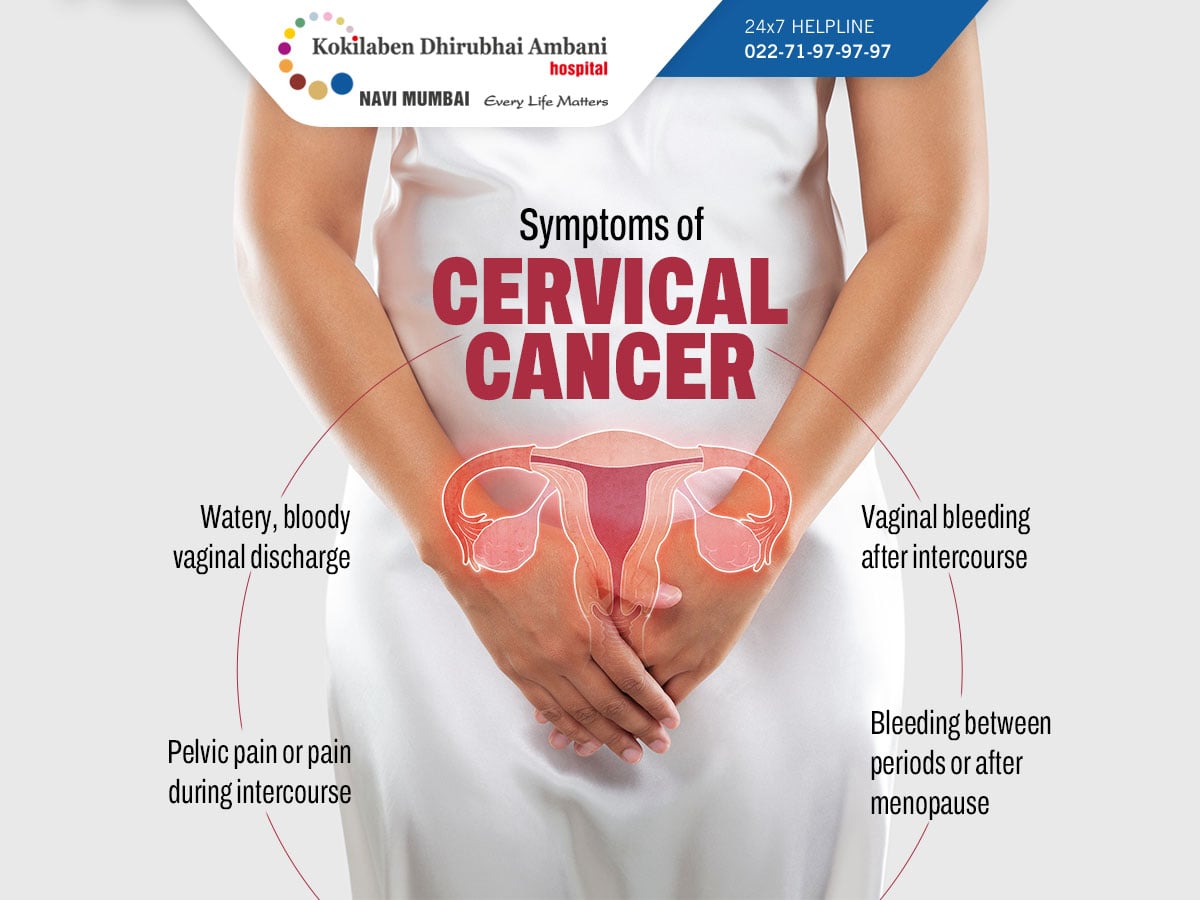
In its earliest stages, cervical cancer often produces no noticeable symptoms. Many people feel completely healthy and may not realize that abnormal cell changes are occurring. This is one reason why regular medical screening is so important. As the disease progresses, however, certain warning signs may appear. One common symptom is unusual vaginal bleeding, which may occur after sexual intercourse, between menstrual periods, or after menopause. Some individuals may also experience menstrual bleeding that is heavier or lasts longer than usual. Another possible sign is watery or bloody vaginal discharge that may have an unpleasant odor. Pelvic pain or discomfort during sexual intercourse can also occur as the condition advances.
If cervical cancer spreads beyond the cervix to nearby tissues or organs, additional symptoms may develop. Some people may experience pain or difficulty while urinating, and in certain cases blood may appear in the urine. Problems with bowel movements, including pain or bleeding from the rectum, can also occur if nearby areas become affected. Other possible symptoms include persistent fatigue, unexplained weight loss, reduced appetite, swelling in the legs, or dull back pain. These symptoms do not always mean that a person has cervical cancer, but they should never be ignored and should prompt a visit to a healthcare provider for proper evaluation.
Cervical cancer is generally classified into two main types depending on the kind of cells where the cancer begins. The most common form is squamous cell carcinoma, which develops in the thin, flat cells that line the outer surface of the cervix. This type accounts for the majority of cervical cancer cases worldwide. The second main type is adenocarcinoma, which starts in glandular cells that produce mucus within the cervical canal. In some situations, a tumor may contain a mixture of both cell types. Very rarely, cancer may arise from other specialized cells in the cervix.
Although HPV infection is the primary cause of cervical cancer, several factors can increase a person’s risk of developing the disease. Smoking is one of the most significant lifestyle-related risks. Chemicals in tobacco can damage cervical cells and weaken the body’s ability to fight HPV infections, allowing the virus to persist longer. Sexual history also plays a role. Individuals who begin sexual activity at a younger age or who have multiple sexual partners may have a higher likelihood of being exposed to HPV. Likewise, having a partner who has had many partners can increase the risk of infection.

Other sexually transmitted infections may further raise the risk of cervical cancer. Conditions such as chlamydia, gonorrhea, herpes, syphilis, and HIV can weaken the immune system or cause inflammation, making it easier for HPV to lead to cellular changes. People with weakened immune systems, whether due to certain illnesses or medications, may also be less able to fight off HPV infections. As a result, the virus may remain in the body longer and increase the chances of developing cancer.
Certain factors that increase the risk of cervical cancer cannot be controlled. For example, exposure before birth to a medication called diethylstilbestrol (DES) has been linked to a rare form of cervical cancer known as clear cell adenocarcinoma. This drug was prescribed to pregnant individuals between the late 1930s and early 1970s in an attempt to prevent miscarriage. People whose mothers took this medication during pregnancy may have a higher risk of developing certain reproductive cancers later in life. In addition, some evidence suggests that genetics or family history may play a minor role, although cervical cancer is primarily driven by viral infection rather than inherited traits.
Regular screening tests are one of the most effective tools for preventing cervical cancer. A widely used screening method is the Pap test, sometimes called a Pap smear. During this procedure, a healthcare provider gently collects a small sample of cells from the cervix. These cells are then examined under a microscope to look for abnormalities that might indicate precancerous or cancerous changes. Detecting these changes early allows doctors to treat them before they progress to cancer. Medical organizations generally recommend that screening begin around the age of twenty-one and continue at regular intervals, although specific guidelines may vary depending on age and individual health history.
Another test often used alongside screening is the HPV test. This examination checks cervical cells for high-risk strains of HPV that are known to cause cancer. Identifying these strains can help healthcare providers determine whether someone may be at higher risk of developing cervical cancer in the future. If screening results show abnormal findings, additional tests may be needed to confirm the diagnosis. One of these procedures is a colposcopy, in which a doctor uses a special magnifying instrument to examine the cervix more closely.
If suspicious areas are identified during examination, a small sample of tissue may be removed in a process known as a biopsy. There are several techniques for obtaining these samples. A punch biopsy removes a tiny piece of cervical tissue using a specialized instrument. Endocervical curettage involves scraping cells from the lining of the cervical canal with a small tool. Another procedure called loop electrosurgical excision uses a thin electrical wire loop to remove abnormal tissue. In some cases, doctors may perform a cone biopsy, which removes a larger cone-shaped section of tissue from the cervix for detailed analysis.
Once cervical cancer has been confirmed, doctors may conduct additional tests to determine whether the disease has spread to other parts of the body. These evaluations can include blood tests, urine tests, imaging scans such as CT or MRI scans, and X-rays of nearby organs. The results help determine the stage of the cancer, which describes how far the disease has progressed. Cervical cancer is typically categorized into four main stages. In the earliest stage, the cancer is confined to the cervix. As the stage increases, the cancer may spread to nearby tissues, the pelvic wall, or surrounding lymph nodes. In the most advanced stage, it can spread to distant organs such as the lungs, bones, bladder, or rectum.
Treatment for cervical cancer depends on several factors, including the stage of the disease, the person’s overall health, and their future plans regarding pregnancy. In early stages, surgery is often the primary treatment. Some surgical procedures remove only the abnormal tissue while preserving most of the cervix, while others involve removing the cervix and uterus entirely. Procedures such as laser surgery or cryosurgery may be used to destroy abnormal cells by burning or freezing them. More extensive surgeries may be necessary if the cancer has spread further.
Radiation therapy is another common treatment. This method uses high-energy beams to destroy cancer cells and shrink tumors. Radiation may be delivered from a machine outside the body, known as external beam radiation therapy, or from a source placed inside or near the cervix, a method called brachytherapy. Chemotherapy may also be used either alone or in combination with radiation therapy. Chemotherapy involves medications that circulate through the bloodstream to destroy cancer cells throughout the body.
Advances in medical research have also led to the development of targeted therapies and immunotherapy. Targeted therapies focus on specific molecules or proteins that help cancer cells grow and spread, while minimizing damage to healthy cells. Immunotherapy works by stimulating the body’s immune system so that it can recognize and attack cancer cells more effectively. In some cases, patients may also choose to participate in clinical trials that test new treatment approaches.
When cervical cancer is detected early, the outlook is often very positive. Many individuals respond well to treatment, and survival rates are high when the disease has not spread beyond the cervix. Doctors often use the term remission when cancer signs disappear after treatment. However, continued monitoring is important because cancer can sometimes return. Regular follow-up visits allow healthcare providers to detect any recurrence as early as possible.
Preventing cervical cancer involves several practical steps. Vaccination against HPV offers strong protection against the strains of the virus most commonly linked to cancer. Receiving this vaccine before exposure to HPV can significantly reduce the risk of developing cervical cancer and other HPV-related diseases. Safe sexual practices, such as using condoms and limiting the number of sexual partners, can also reduce the likelihood of HPV infection. Avoiding tobacco use is another important preventive measure because smoking weakens the body’s natural defenses and increases the risk of persistent HPV infection.
Equally important is maintaining a routine schedule of cervical screening tests. Regular Pap tests and HPV tests allow healthcare providers to detect abnormal cell changes long before they become cancerous. Early detection greatly increases the chances of successful treatment and can even prevent cancer from developing at all.
Cervical cancer remains a serious health concern worldwide, but it is also one of the most preventable and treatable forms of cancer when appropriate screening and preventive measures are followed. Awareness of risk factors, recognition of potential symptoms, and regular medical checkups can make a significant difference in protecting long-term health. By combining vaccination, safe health practices, and routine screening, many cases of cervical cancer can be avoided or detected at a stage when treatment is most effective.