


The decision by the Nigeria Police Force (NPF) to announce January 2, 2026, as the new commencement date for enforcing the tinted glass regulation reeks of misplaced priorities and institutional desperation. At a time when Nigerians are grappling with deep economic hardship and worsening insecurity, this policy is not only unnecessary but dangerously provocative. Rather than enhance safety, it threatens to fuel tension, chaos, and further distrust between citizens and the police.
Inspector-General of Police, Kayode Egbetokun, should immediately withdraw the tinted glass enforcement directive. The move appears less about crime prevention and more about asserting control and extracting revenue from an already burdened population, while ignoring the actual patterns of violent crime across the country.
Originally scheduled to begin on June 1, 2025, the enforcement was postponed to October 2 following widespread public backlash. The latest delay to January 2026 comes on the heels of a lawsuit by the Nigerian Bar Association and a court order instructing all parties to maintain the status quo until the matter is fully resolved. That legal intervention alone should have prompted caution, not persistence.
This policy raises a familiar and troubling question: is the police force once again leaning into its long-standing reputation for overreach, extortion, and inefficiency?
The Force Public Relations Officer, Benjamin Hundeyin, has argued that crimes involving tinted glass vehicles are on the rise, citing an incident in Edo State where a driver allegedly fled a checkpoint, resulting in a fatal confrontation. While the loss of a police officer is tragic, using a single episode to justify a nationwide policy is intellectually lazy and operationally flawed. No credible data has been presented to demonstrate a systemic link between tinted windows and crime.
Modern policing is not built on reactive pursuits and roadside confrontations that endanger both officers and civilians. In an era where technology offers tools such as surveillance cameras, automated number plate recognition, and aerial monitoring, resorting to manual inspections and high-speed chases is outdated and reckless. Countries with far higher security risks than Nigeria use technology, not intimidation, to maintain order.
The NPF’s insistence on physically inspecting vehicles signals an unwillingness to evolve. Worse still, it opens the door to abuse. Nigerians have not forgotten the pre-#EndSARS era when checkpoints became centres of harassment, extortion, and arbitrary violence. Adding tinted glass enforcement to the mix is an invitation to repeat that ugly history.
Across the country, police checkpoints already function more like toll gates than security posts. Motorists are routinely stopped over flimsy excuses and coerced into paying bribes. Introducing tinted glass permits only expands the menu of extortion. With unclear guidelines and unchecked discretion, officers could stop vehicles at will, demand permits, impose instant “fines,” and escalate disputes that may turn deadly.
This is particularly troubling in a nation where citizens have repeatedly lost their lives at checkpoints for minor misunderstandings or perceived defiance. Such outcomes are unacceptable in a country already struggling to contain violence.
The permit requirement itself is suspicious. Motorists are expected to pay N14,200 into a designated account to obtain clearance. This contradicts the fundamental principle that the police are not a revenue-generating agency. It also clashes with President Bola Tinubu’s stated goal of reducing multiple taxation and easing economic pressure on citizens.
Nigerians are still reeling from the removal of fuel subsidies, rising electricity costs, and relentless inflation. Introducing another financial obligation under the guise of security is insensitive and unjustifiable. Even more puzzling is the harassment of vehicle owners who have already cleared their cars through customs and paid all applicable duties.
The permit system does nothing to prevent crime. Criminals can obtain permits just as easily as law-abiding citizens. A kidnapper does not become harmless because he carries documentation, just as a clean driving licence does not eliminate criminal intent. If crime prevention is truly the goal, the police should focus on intelligence, surveillance, and community engagement—not paperwork.
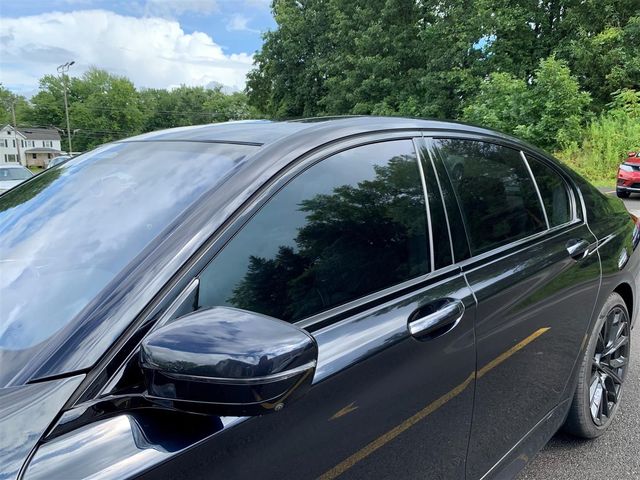
Factory-fitted tinted glass vehicles also offer legitimate benefits. They block harmful ultraviolet rays, protect against heat-related health risks, reduce fuel consumption by lowering air-conditioning use, and deter theft by concealing valuables. In Nigeria’s harsh climate, these are practical necessities, not luxuries.
If enforcement is required at all, it should target aftermarket window films slapped on indiscriminately—not blanket harassment of all motorists.
The deeper problem lies within the police force itself. Multiple international reports paint a damning picture. Transparency International has repeatedly ranked the NPF among Nigeria’s most corrupt institutions, while a UN Office on Drugs and Crime survey revealed that bribes were paid in over half of all police interactions. These are not isolated incidents but systemic failures.
While notorious bandits roam freely in states like Zamfara, orchestrating mass killings and kidnappings without concealment, the police appear more interested in stopping private vehicles in urban centres. In the first half of 2025 alone, over 2,200 Nigerians were reportedly killed by bandits and insurgents. None of these atrocities were linked to tinted windows.
The focus on tinted glass is therefore absurd and distracting. It diverts attention from the real threats facing the country and allows institutional decay to persist.
Egbetokun should read the room and abandon this misguided campaign. The priority should be modern, intelligence-led policing, meaningful community partnerships, and compliance with directives to withdraw officers from VIP protection. Anything less only deepens public mistrust and weakens national security.